I had to be away for a few weeks and wasn't able to make as much progress on my next campaign as I would have liked. Tough luck.
However, I still had enough time to plan things a bit, and I decided to update my older campaigns. I'm happy with the European, British, Serbian, and Ukrainian campaigns; but I still find my Russian and American campaigns a little shaky. Since I'm starting a new cycle, I figured it was time to fix things once and for all.
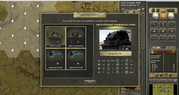
I was going through the list of units I was going to add to the player's army list for the start of the Baltic campaign, and I saw that I was a bit behind in allocating the units. This campaign marks the beginning of World War III, and it's a bit of a shame to offer the player mostly old vehicles. So I decided to bring forward the introduction of advanced units in previous campaigns.
I made several changes to chapter 1 to address this.
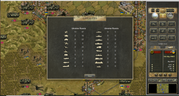
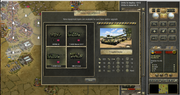
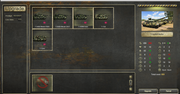
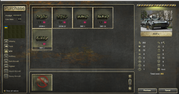
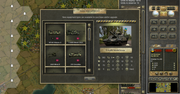
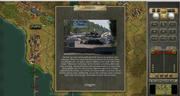
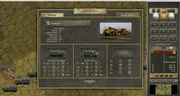
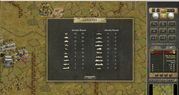
1) Each "tank family" follows a specific logic and are delivered at different times. During the chapter in Syria, the challenge is to make more strategic use of older vehicles. Each family offers a unique advantage.
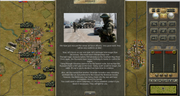
- The player starts the first scenario with T-55s. They don't upgrade well, so it's up to the player to decide whether to keep the experience gained during combat and replace them with other vehicles later, or sell them outright for prestige points, even at the cost of losing the experience.
- T-62s offer better performance but are obsolete by the start of the second chapter.
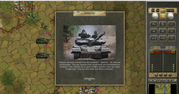
- T-64s are the best vehicles but appear late in the first campaign. They remain viable at the beginning of the second chapter, but don't upgrade beyond that and become completely obsolete very quickly.
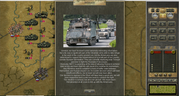
- Outdated versions of the T-72 are available earlier in this first campaign. Initially, they offer terrible performance compared to other available tanks, but as you might expect, they evolve throughout the long Russian campaign and eventually form the bulk of your armored formations. T-72s models available during the Ukraine chapter are now more modern than those found in the current version of the campaign.
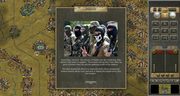
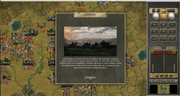
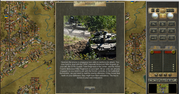
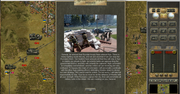
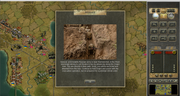
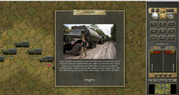
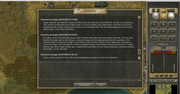
2) I ran into a small problem with this logic: I wanted to make every tank playable, but Akkula created far too many of these older vehicles for them all to be optimally usable in any specific scenario of the first campaign. So, another big change: the first Russian chapter now has a fourth scenario.
This way, I can make more of those outdated vehicles playable


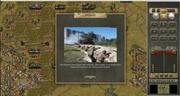
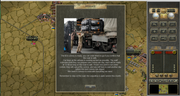
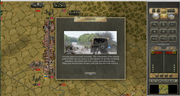
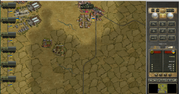
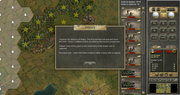
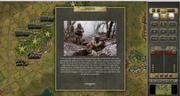
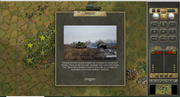
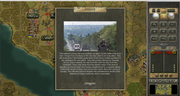
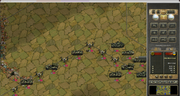
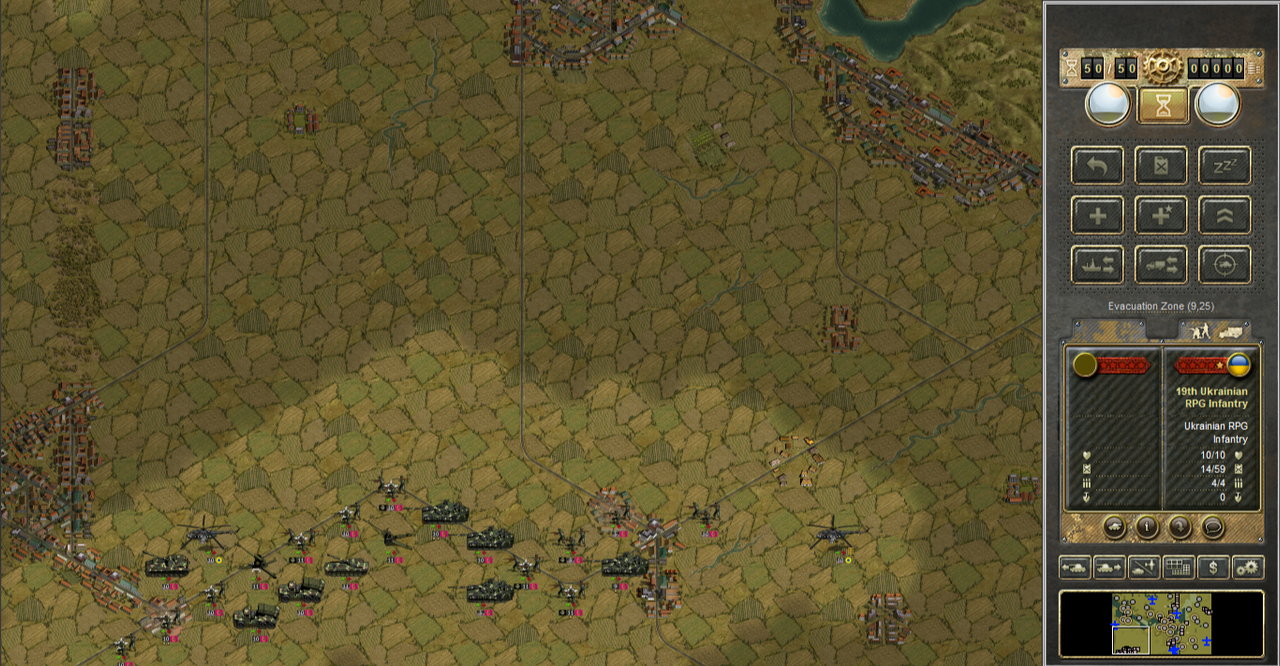
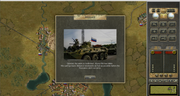
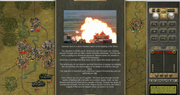
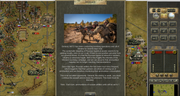
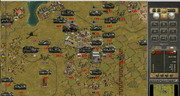
It's a "filler" scenario (as they say in TV series). It doesn't advance the main story; it's just a short, easy mission to have some fun with old tanks, with a very simple premise.
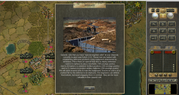
Basically, the bad guys have captured a Syrian allies' weapons depot (remember: this campaign takes place in 2021) and managed to repair the vehicles inside. You have to chase them down and destroy them before they escape.
Direct and simple

Then there was something else I had to sort out.
When I finished the third Russian chapter (the one in the Sahel countries), I was starting to experience a kind of "panzer corps burnout." So, I released the three scenarios chapter as quickly as possible (the 99-turn counter-insurgency mission had exhausted me) and didn't polish them as much as I would have liked.
I always try to write my campaigns in a way that subtly foreshadows upcoming difficulties or situations. For this third Russian chapter, I posted it as soon as I have done the bare minimum. As a result, I skipped over quite a few important points, and I've decided to revisit them now.
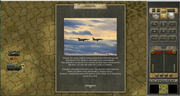
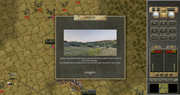
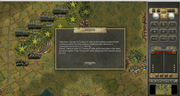
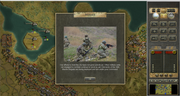
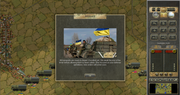
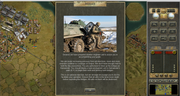
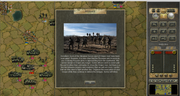
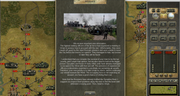
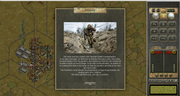
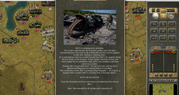
Since I also felt this chapter had a major pacing problem (the first scenario is easy, but the following two require a specific play style and are quite tense), I decided to add two new scenarios.
These two scenarios serve two purposes:
- I can better explain the local situation and suggest events that are planned to come in future campaigns;
- I adjust the pacing with three relaxed missions that open the chapter before the two more tense final missions.
So, in total, there are now 13 scenarios in the long Russian campaign.
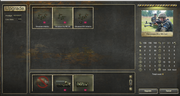
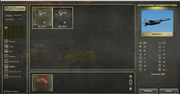
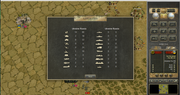
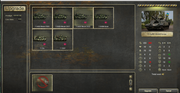
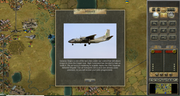
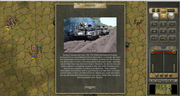
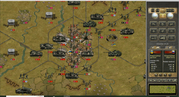
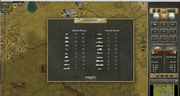
In addition, I wanted to broaden the game by offering players more options. Paratroopers are available very quickly with appropriate equipment (this will give them time to gain experience before the next campaign in the Baltic states), as are more ground attack aircraft, reconnaissance planes, and so on.
After all, we're on the third chapter; it's high time I gave players more than just basic units to have some fun.
There are also other changes: for example, I've slightly increased the number of units available for certain scenarios, making them a bit easier.
The player's core system should therefore be much more modern to engage in the Battle of the Baltic States
Link ? As usual, on the first page.
It was updated right now

By the way, I will finally delete the "map packs" format.
If you want to play the scenarios independantly (or if you want to only try the new scenarios and not play the whole three updated chapters), here is a quick guide :
1) Copy all ".pzloc" and ".scn" files in the downloaded "Data" folder.
2) Paste them in "User/My Games/Panzer Corps/Scenario".
3) Disable Modern Conflict in JSGME
4) Put the images (from the downloaded "UI" folder) to the UI folder of the modern conflict mod
5) Activate again Modern Conflict with JSGME
It is basically how map pack works.
I end this format because it forced me to update two different files, and I can't do that. I don't update the map packs since a long time anyway.
So only the chapter format will be available in a few time, but you can easily continue to play each scenario independantly if you prefer.
However note that special units will stay disactivated. You'll have placeholder units instead (Belarus units instead of Wagner units, etc...)
I will fix the American chapters later; I intend to do the next chapters for the Russians, British, and Europeans first.
Have fun !