North Africa holds a strategic significance to me whether I’m playing the axis or allies. As the axis player, I view holding North Africa as key to Italy’s survival. I’ve found that if Italy survives to mid 1944 (or later) that I generally win and if they go out in 1943 I generally lose. I’ve also found that early 1944 is a grey area where my games can go either way. Even though Italian units are really not suited for front line action against the Russians, they are useful for second line duties such as garrisoning captured cities or anti-partisan operations in both Russia and France. When Italy goes these units disappear and must be replaced by German, or axis minor units. And with the new surrender rules, the use of axis minors to garrison captured cities presents an unacceptable risk so I relegate this function to German only units (i.e., garrisons). Additionally, the loss of Italy opens up another front (i.e., Italy and the Med) that the axis player must defend with German units. This mean additional German units and / or resources (i.e., PP’s and rail points) must be diverted from Russia and France to establish or shore up the defenses in Italy and the Med. Even if a strategic reserve is in place, which can be used for this defense, one shouldn’t overlook the impact of having to divert rail points away from sending needed units to Russia to replace losses there.
As the allied player I view North Africa as a place where the allied player can help relieve pressure on Russia in 1941 and 1942. These years are critical for Russia to both survive the initial axis on-slaughter and establish the ability to transition to the offensive in 1943 and make it to Berlin by 1945. The Italians are too weak to hold North Africa alone so a well timed UK offensive can force the axis player to divert air resources from Russia to stabilize their defense there. Note that I said a well timed offensive. Possibly the worst time for a UK incursion into Libya is in the winter of 1941. This is the time when the axis player has hunkered down trying to get through the first Russian severe winter as best as they can. One strategy, which I personally follow, is to rebase axis air outside of Russia and within range of one or more axis leaders before severe winter hit. This means that the axis air will not experience the severe winter effectiveness hit. Most critical though is that this also means the axis air units are free to support other operations, such as stabilizing the axis defense situation in Libya.
As the allied player I generally will not advance into Libya until the start of the axis 1942 Spring Offensive in Russia. It’s then I can be assured that significant axis air assets are committed in Russia and not available to counter my move in North Africa. Similarly, as the axis player I want enough ground strength in North Africa to punish the allied player for any 1940 or 1941 incursion into Libya and to fight a reasonable well delaying action for one in 1942. This means a commitment of a German Mech with a leader (e.g., Hoth), two German infantry corps, two German fighters back by the Italian Mech with leader and several Italian infantry corps and garrisons.
Because of the North African supply limitations the ability of the axis player to move air into a position to repel or delay an allied advance into Libya is dependent upon the control of Crete. For me the sole reason for invading Greece as the axis player is for Crete. As the allied player I am more bold moving into Libya if Greece is neutral, or better yet, if I was able to gain and keep control of Crete during an axis invasion. One way for the axis player to deter an allied player from trying to grab Crete during the a Greek invasion is a healthy Italian navy supported by an overwhelming axis air commitment including an axis bomber on Rhodes and two axis fighters moved to the Greek islands southeast of Athens on the first turn of the invasion. If, as the allied player I see that the axis player has left me an opening to take and possibly keep Crete I will take it. Even if he eventually captures Crete, it is worth a UK corps to force him to tie up air, naval and invasion resources for three to four turns longer than intended. These are resources that are sorely needed for the 1941 invasion of Russia.
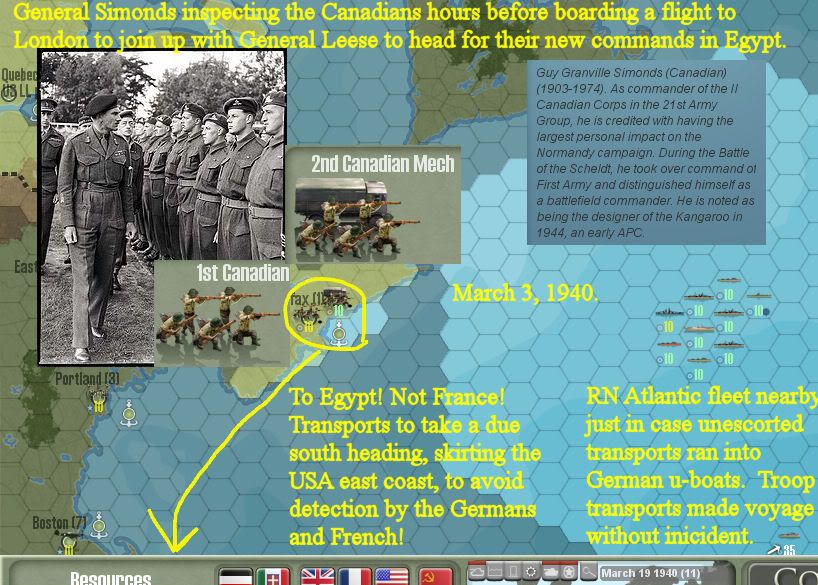
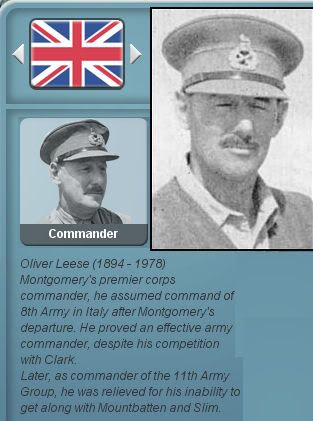
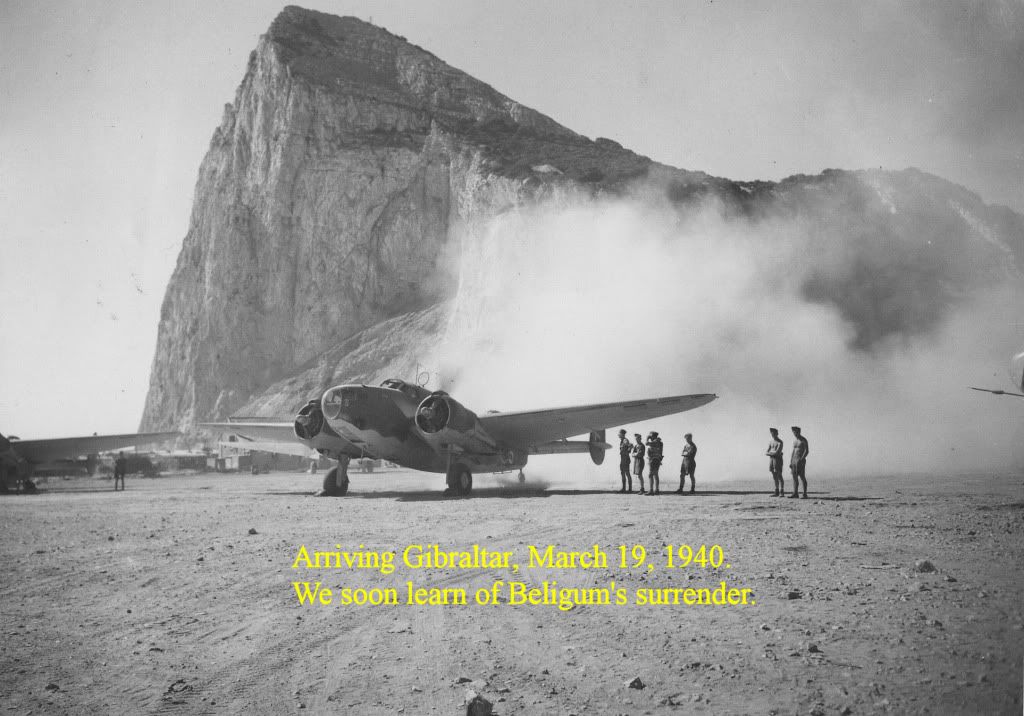
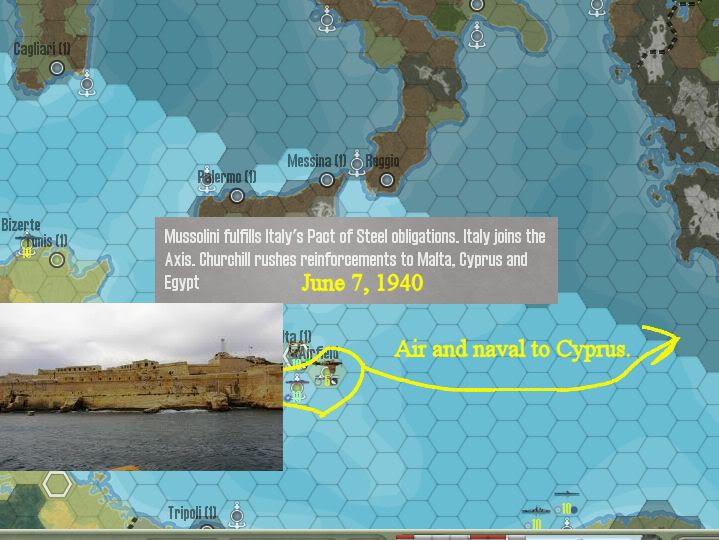
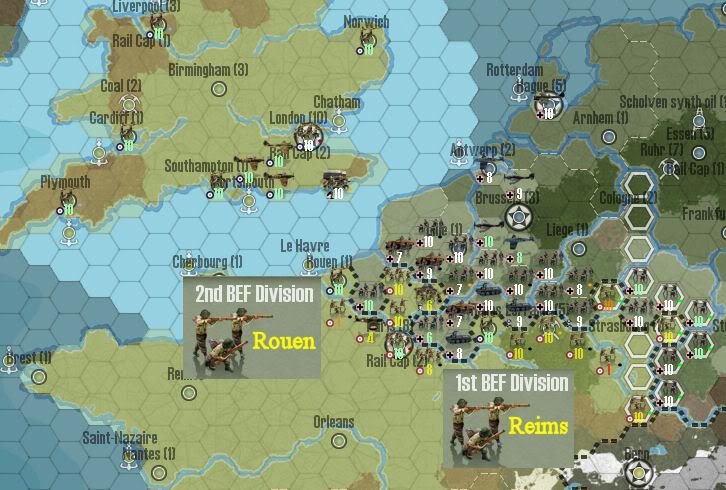
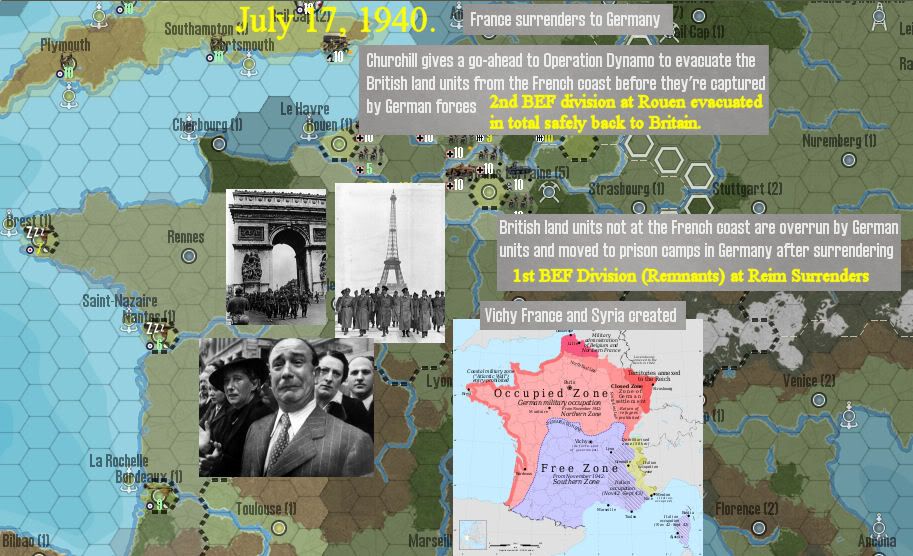
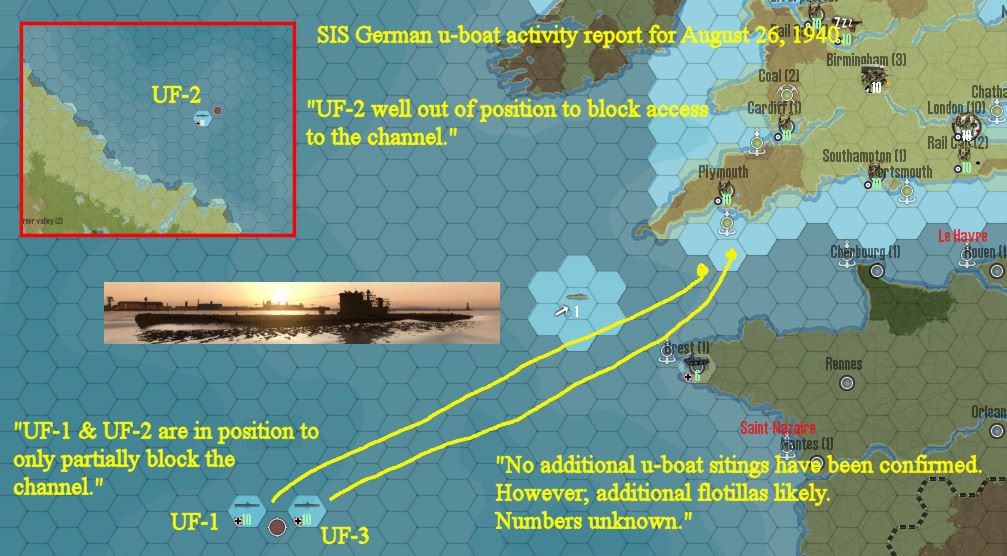
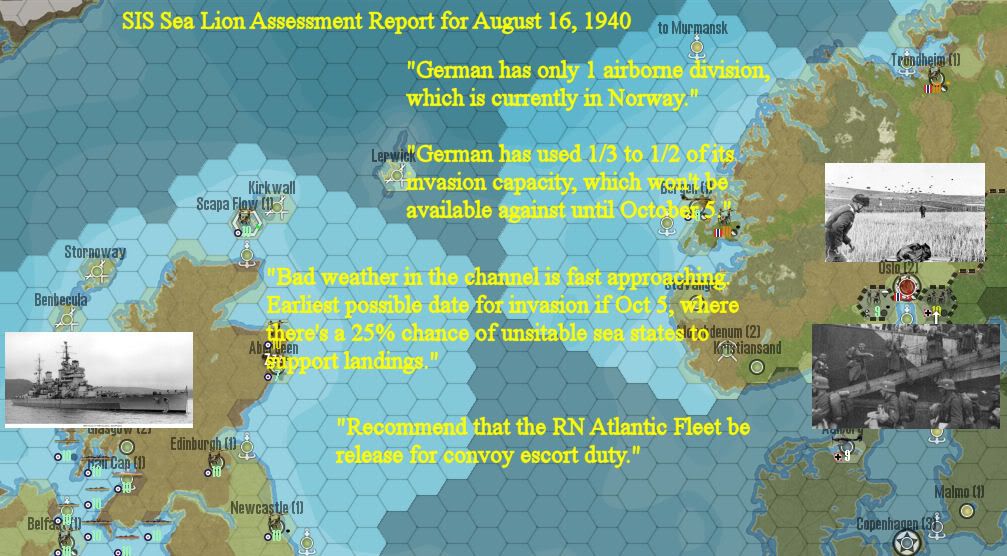
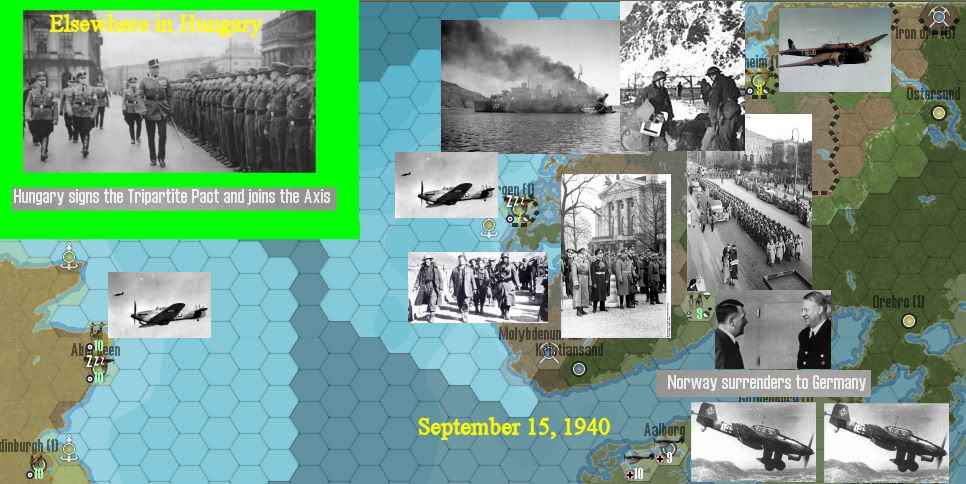
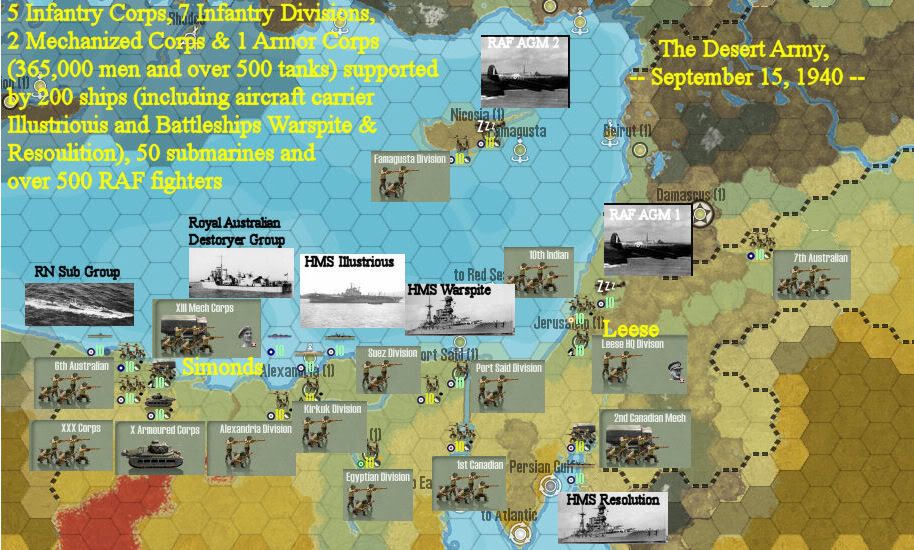
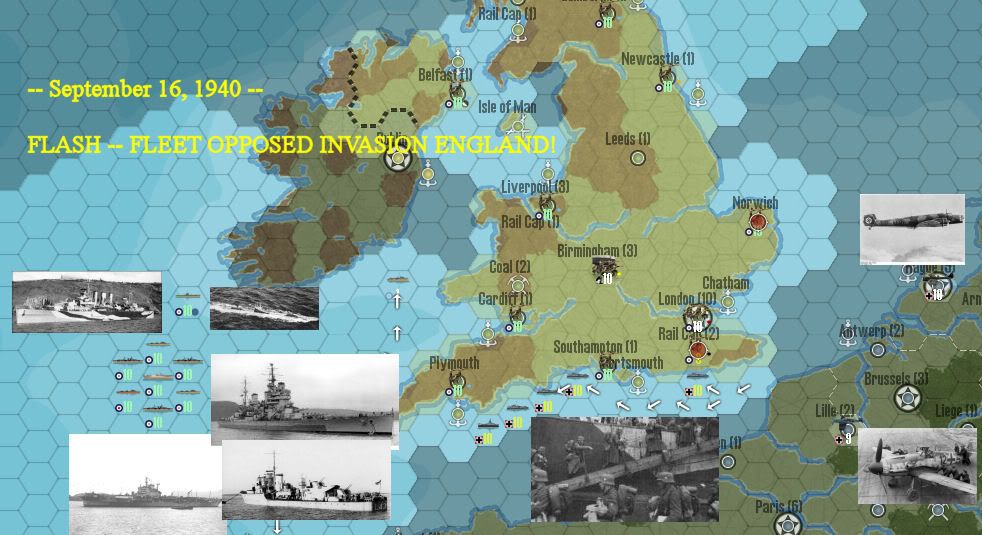
I hope to use the following AAR from a game I’m currently playing as the allied player to demonstrate the principles that I’ve just discussed. This vignette AAR will only focus on the campaign in North Africa as it unfolded. The games from which I’m writing about have long since past so I’ll being showing screen caps from the beginning of my turn and describing the action from there. To spice things up a bit and add so fun to this, I will write this vignette AAR from the perspective of a fictional Times of London reporter Nigel Whitehurst.
From now on, any out of character comments by me on the game or my strategy will be written in blue italic. I do want to apologize up front to our friends across the pond for me as an American trying to write a story as a Brit. As you shall see I do think all this will prove the old saying that the Americans and the Brits are two people separated by a common language.

Also, any information or thoughts by my fictional character Nigel, which he would not have been allowed to publish, will be written in black italic. While one might rightfully argue that the order of battle information, which I will allow Nigel to publish in this AAR, would have not been allowed to be published during the war. But what good is an AAR without order of battle and unit screen caps! However; there is no argument that Nigel would have not been allowed to publish any information even remotely related to Ultra and Enigma even if he was unaware of these programs.