- Sol.png (982.01 KiB) Viewed 275 times
The original idea behind this project was actually quite simple: I wanted to find out whether an AI could eventually become capable of creating complete Panzer Corps content on its own — not just individual texts or small pieces of a scenario, but entire maps, scenarios and finally complete campaigns.
To reach that point, however, the AI first had to learn how Panzer Corps actually works.
Over time, I provided it with working examples, reference files and explanations and taught it the basic structures and rules behind scenario and campaign creation. This included the structure of .pzscn, .pzloc and campaign files, campaign scripting, scenario connections, briefings and debriefings, objectives, victory conditions, deployment zones, reinforcement logic, prestige, core slots, auxiliary units and many other details.
Another important part was map creation itself. We worked on terrain distribution, roads, rivers, bridges, forests, hills, towns, airfields and deployment areas, and gradually developed rules for making maps look more natural instead of simply placing large artificial blocks of terrain.
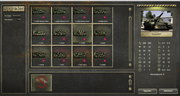
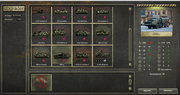
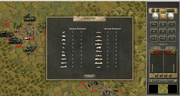
The same applies to unit selection and deployment. The AI learned how to read and analyse the equipment file, how to select units that are actually available for the correct nation and date, how to create balanced combined-arms forces and how to position infantry, tanks, reconnaissance, artillery, anti-aircraft units and aircraft in a tactically sensible way.
We also worked extensively on AI behaviour: defensive positions, reserves, counterattacks, reinforcement zones, artillery placement, protection of airfields, minefields, bridges and other tactical considerations.
Of course, this did not work perfectly from the beginning. There were many tests, mistakes and corrections along the way. But this was exactly the point of the experiment: every error became another rule or lesson that could be reused later.
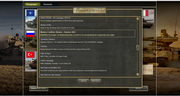
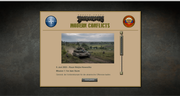
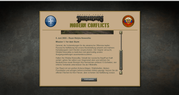
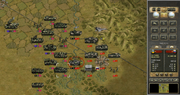
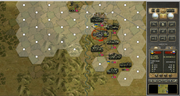
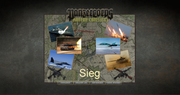
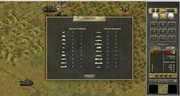
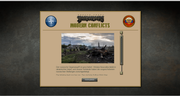
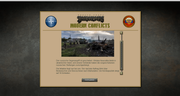
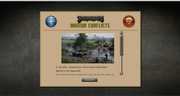
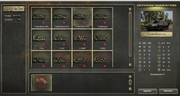
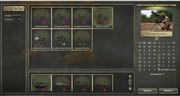
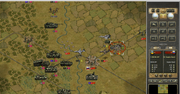
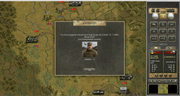
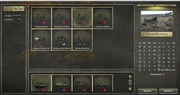
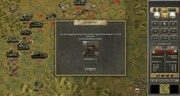
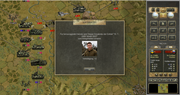
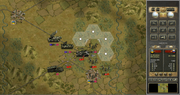
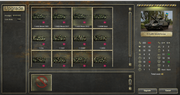
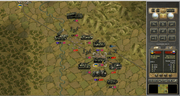
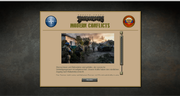
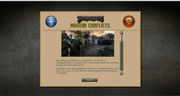
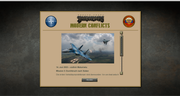
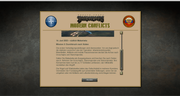
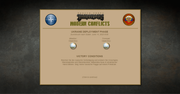
Eventually we reached the stage where the AI was able to design its first complete mini-campaign from beginning to end: the campaign structure, three completely new scenarios, maps, unit selection and placement, objectives, campaign progression, briefings, debriefings and the required supporting files.
At this point my own role has changed considerably.
Today I mainly provide a detailed description of what kind of campaign or scenario I want — the historical or fictional setting, approximate map size, number of core units, general mission idea and any special requirements. From there, the AI designs and builds the project itself.
I then test the result in Panzer Corps. If I discover a technical problem or something I do not like, I describe the problem and let the AI analyse and correct it.
That is what I would like to document and share in this thread: the continued development of an experiment in which AI is gradually being trained to act as an independent scenario and campaign designer for Panzer Corps.
And finally, one small personal request concerning this thread.
I would kindly ask everyone to refrain from posting externally sourced internet images, unrelated pictures or GIFs here. I would like to keep this thread focused on the project itself and on material directly connected to it.
I hope everyone can respect this simple request. If it is not respected, I will end this project and the thread without further notice.
Thank you for understanding — and, of course, constructive comments, questions and discussion about the actual project are very welcome.