

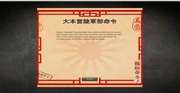
Summary of the fighting in the Zhongtiao Mountains in May 1941, created with AI.
Die Kämpfe im Zhongtiao-Gebirge im Mai 1941 gehörten zu den schwersten Niederlagen, welche die chinesische Armee im Krieg gegen Japan erlitt.
Das Gebirge war ein wichtiger chinesischer Stützraum nördlich des Gelben Flusses und galt lange als schwer einnehmbar.
Als die japanische Offensive begann, griffen die Japaner nicht nur frontal an, sondern versuchten, chinesische Verbände zu umgehen, Straßen zu sperren, Rückzugswege abzuschneiden und ganze Korps voneinander zu trennen.
Das schwierige Berggelände wurde dadurch für die Verteidiger zur Falle: Was eigentlich Schutz bieten sollte, verwandelte sich durch japanische Umfassung und Luftaufklärung in einen Kessel.
Viele chinesische Einheiten kämpften verbissen, aber sie litten unter schlechter Versorgung, schwacher Koordination und dem schnellen Zusammenbruch einzelner Frontabschnitte.
Es kam zu erbitterten Rückzugsgefechten, verzweifelten Ausbruchsversuchen, Nahkämpfen in Bergdörfern und chaotischen Märschen über Pässe und Schluchten.
Die japanischen Truppen nutzten dabei ihre Erfahrung aus jahrelangen Kämpfen in China und gingen oft mit hohem Tempo, Stoßtrupps und überraschenden Umgehungen vor.
Für die chinesische Seite war die Schlacht besonders bitter, weil nicht nur viele einfache Soldaten fielen oder gefangen genommen wurden, sondern auch zahlreiche hohe Offiziere verloren gingen.
Mehrere chinesische Generäle kamen ums Leben oder wurden nach ihrer Gefangennahme erschossen, weil sie eine Zusammenarbeit mit den Japanern verweigert haben sollen.
Unter den gefangenen Offizieren befand sich auch Generalleutnant Gong Bingfan, auch als Gong Binfang wiedergegeben, der Kommandeur der 34. Division der 5. Armeegruppe.
Seine Gefangennahme war ein schwerer Schlag, weil sie zeigte, wie tief die japanischen Angriffe bereits in die chinesische Führungsstruktur eingedrungen waren.
Die japanische Seite untersuchte später tausende chinesische Kriegsgefangene, darunter auch höhere Offiziere, um mehr über die inneren Probleme und die Kampfkraft der Nationalchinesischen Armee zu erfahren.
In chinesischen Darstellungen wurde die Niederlage später als Katastrophe und schwere Demütigung betrachtet, weil ein ganzer strategisch wichtiger Raum innerhalb kurzer Zeit zusammenbrach.
Trotzdem war die Schlacht kein einfacher Spaziergang für die Japaner: Das Gelände, der chinesische Widerstand und die verstreuten Rückzugsbewegungen machten die Kämpfe hart und unübersichtlich.
Einige chinesische Einheiten entkamen in die Taiyue-Berge und kämpften dort noch weiter, doch der Hauptverteidigungsraum im Zhongtiao-Gebirge war verloren.
=======================================================================================
The fighting in the Zhongtiao Mountains in May 1941 was one of the heaviest defeats suffered by the Chinese army in the war against Japan.
The mountain range was an important Chinese stronghold north of the Yellow River and had long been considered difficult to conquer.
When the Japanese offensive began, the Japanese did not rely only on frontal attacks; they tried to bypass Chinese formations, block roads, cut off retreat routes, and separate entire corps from one another.
As a result, the difficult mountain terrain became a trap for the defenders: what should have offered protection turned into a pocket through Japanese encirclement and air reconnaissance.
Many Chinese units fought stubbornly, but they suffered from poor supply, weak coordination, and the rapid collapse of individual front sectors.
There were fierce rearguard actions, desperate breakout attempts, close combat in mountain villages, and chaotic marches across passes and ravines.
The Japanese troops used their experience from years of fighting in China and often advanced with high speed, assault detachments, and unexpected flanking maneuvers.
For the Chinese side, the battle was especially bitter because not only many ordinary soldiers were killed or captured, but also a number of senior officers were lost.
Several Chinese generals were killed or, according to some accounts, executed after being captured because they refused to cooperate with the Japanese.
Among the captured officers was Lieutenant General Gong Bingfan, also rendered as Gong Binfang, commander of the 34th Division of the 5th Army Group.
His capture was a serious blow, as it showed how deeply the Japanese attacks had already penetrated the Chinese command structure.
The Japanese side later questioned thousands of Chinese prisoners of war, including senior officers, in order to learn more about the internal problems and combat strength of the Nationalist Chinese Army.
In Chinese accounts, the defeat was later regarded as a catastrophe and a grave humiliation, because an entire strategically important area collapsed within a short time.
Nevertheless, the battle was not an easy walkover for the Japanese: the terrain, Chinese resistance, and scattered retreat movements made the fighting harsh and confusing.
Some Chinese units escaped into the Taiyue Mountains and continued fighting there, but the main defensive area in the Zhongtiao Mountains was lost.
===================================================================================================
Les combats dans les monts Zhongtiao, en mai 1941, furent l’une des plus lourdes défaites subies par l’armée chinoise dans la guerre contre le Japon.
Cette chaîne montagneuse constituait un important bastion chinois au nord du fleuve Jaune et avait longtemps été considérée comme difficile à conquérir.
Lorsque l’offensive japonaise commença, les Japonais ne se contentèrent pas d’attaques frontales ; ils cherchèrent à contourner les formations chinoises, à bloquer les routes, à couper les voies de retraite et à séparer des corps entiers les uns des autres.
Ainsi, le terrain montagneux difficile devint un piège pour les défenseurs : ce qui devait offrir une protection se transforma en poche sous l’effet de l’encerclement japonais et de la reconnaissance aérienne.
De nombreuses unités chinoises combattirent avec acharnement, mais elles souffraient d’un mauvais ravitaillement, d’une coordination insuffisante et de l’effondrement rapide de certains secteurs du front.
Il y eut de violents combats d’arrière-garde, des tentatives désespérées de percée, des combats rapprochés dans les villages de montagne et des marches chaotiques à travers les cols et les ravins.
Les troupes japonaises utilisèrent leur expérience acquise après des années de combats en Chine et avancèrent souvent avec une grande rapidité, des détachements d’assaut et des manœuvres de contournement inattendues.
Pour le camp chinois, la bataille fut particulièrement amère, car non seulement de nombreux soldats furent tués ou capturés, mais plusieurs officiers supérieurs furent également perdus.
Plusieurs généraux chinois furent tués ou, selon certains récits, exécutés après leur capture parce qu’ils auraient refusé de coopérer avec les Japonais.
Parmi les officiers capturés se trouvait le lieutenant-général Gong Bingfan, également mentionné sous la forme Gong Binfang, commandant de la 34e division du 5e groupe d’armées.
Sa capture fut un coup sévère, car elle montrait à quel point les attaques japonaises avaient déjà pénétré profondément dans la structure de commandement chinoise.
Par la suite, les Japonais interrogèrent des milliers de prisonniers de guerre chinois, dont des officiers supérieurs, afin d’en apprendre davantage sur les problèmes internes et la capacité de combat de l’Armée nationale chinoise.
Dans les récits chinois, cette défaite fut ensuite considérée comme une catastrophe et une grave humiliation, car toute une région stratégiquement importante s’effondra en peu de temps.
Cependant, la bataille ne fut pas une simple promenade pour les Japonais : le terrain, la résistance chinoise et les mouvements de retraite dispersés rendirent les combats durs et confus.
Certaines unités chinoises parvinrent à s’échapper vers les monts Taiyue et continuèrent d’y combattre, mais la principale zone défensive des monts Zhongtiao était perdue.
==============================================================================================
Бои в горах Чжунтяо в мае 1941 года стали одним из самых тяжёлых поражений китайской армии в войне против Японии.
Этот горный район был важным китайским опорным пунктом к северу от реки Хуанхэ и долгое время считался труднодоступным для захвата.
Когда началось японское наступление, японцы полагались не только на фронтальные атаки; они стремились обходить китайские соединения, блокировать дороги, перерезать пути отступления и отделять целые корпуса друг от друга.
В результате сложная горная местность стала ловушкой для защитников: то, что должно было служить укрытием, превратилось в котёл из-за японского окружения и воздушной разведки.
Многие китайские части сражались упорно, но страдали от плохого снабжения, слабой координации и быстрого обрушения отдельных участков фронта.
Происходили ожесточённые арьергардные бои, отчаянные попытки прорыва, ближние схватки в горных деревнях и хаотичные марши через перевалы и ущелья.
Японские войска использовали опыт, накопленный за годы боёв в Китае, и часто продвигались с высокой скоростью, применяя штурмовые отряды и неожиданные обходные манёвры.
Для китайской стороны эта битва была особенно горькой, потому что погибли или попали в плен не только многие рядовые солдаты, но и ряд старших офицеров.
Несколько китайских генералов были убиты или, согласно некоторым сведениям, казнены после пленения, поскольку отказались сотрудничать с японцами.
Среди захваченных офицеров был генерал-лейтенант Гун Бинфань, также встречающийся как Гун Бинфан, командир 34-й дивизии 5-й группы армий.
Его пленение стало серьёзным ударом, поскольку показало, насколько глубоко японские атаки уже проникли в китайскую командную структуру.
Позднее японская сторона допрашивала тысячи китайских военнопленных, включая старших офицеров, чтобы больше узнать о внутренних проблемах и боеспособности Национально-революционной армии Китая.
В китайских описаниях это поражение позднее рассматривалось как катастрофа и тяжёлое унижение, поскольку целый стратегически важный район рухнул за короткое время.
Тем не менее битва не была лёгкой прогулкой для японцев: местность, китайское сопротивление и разрозненные отступления сделали бои тяжёлыми и запутанными.
Некоторые китайские части сумели отойти в горы Тайюэ и продолжили там борьбу, однако главный оборонительный район в горах Чжунтяо был потерян.
YAMATO Campaign for Phcas & AKRebels "PAK" mod
Moderators: Slitherine Core, Panzer Corps Design, Panzer Corps Moderators
Re: YAMATO Campaign for Phcas & AKRebels "PAK" mod
Last edited by Tobi72 on Sun Jun 14, 2026 5:20 pm, edited 3 times in total.
-
bondjamesbond
- Lieutenant-General - Nashorn
- Posts: 3255
- Joined: Mon Jun 27, 2022 10:10 pm
Re: YAMATO Campaign for Phcas & AKRebels "PAK" mod
I don't quite understand this mission where you have to first capture the airfield and then hold it off against the Chinese hordes for 6 turns! Can you give me some instructions, Toby-san? )))Tobi72 wrote: Sun Jun 14, 2026 4:23 pm The fighting in the Zhongtiao Mountains in May 1941 was one of the heaviest defeats suffered by the Chinese army in the war against Japan.
The mountain range was an important Chinese stronghold north of the Yellow River and had long been considered difficult to conquer.
When the Japanese offensive began, the Japanese did not rely only on frontal attacks; they tried to bypass Chinese formations, block roads, cut off retreat routes, and separate entire corps from one another.
As a result, the difficult mountain terrain became a trap for the defenders: what should have offered protection turned into a pocket through Japanese encirclement and air reconnaissance.
Many Chinese units fought stubbornly, but they suffered from poor supply, weak coordination, and the rapid collapse of individual front sectors.
There were fierce rearguard actions, desperate breakout attempts, close combat in mountain villages, and chaotic marches across passes and ravines.
The Japanese troops used their experience from years of fighting in China and often advanced with high speed, assault detachments, and unexpected flanking maneuvers.
For the Chinese side, the battle was especially bitter because not only many ordinary soldiers were killed or captured, but also a number of senior officers were lost.
Several Chinese generals were killed or, according to some accounts, executed after being captured because they refused to cooperate with the Japanese.
Among the captured officers was Lieutenant General Gong Bingfan, also rendered as Gong Binfang, commander of the 34th Division of the 5th Army Group.
His capture was a serious blow, as it showed how deeply the Japanese attacks had already penetrated the Chinese command structure.
The Japanese side later questioned thousands of Chinese prisoners of war, including senior officers, in order to learn more about the internal problems and combat strength of the Nationalist Chinese Army.
In Chinese accounts, the defeat was later regarded as a catastrophe and a grave humiliation, because an entire strategically important area collapsed within a short time.
Nevertheless, the battle was not an easy walkover for the Japanese: the terrain, Chinese resistance, and scattered retreat movements made the fighting harsh and confusing.
Some Chinese units escaped into the Taiyue Mountains and continued fighting there, but the main defensive area in the Zhongtiao Mountains was lost.
For your campaign, this battle is therefore ideal: it offers mountain warfare, encirclement battles, blocked roads, captured generals, desperate resistance, and Japanese assault troops pushing forward through difficult terrain.
===================================================================================================
Les combats dans les monts Zhongtiao, en mai 1941, furent l’une des plus lourdes défaites subies par l’armée chinoise dans la guerre contre le Japon.
Cette chaîne montagneuse constituait un important bastion chinois au nord du fleuve Jaune et avait longtemps été considérée comme difficile à conquérir.
Lorsque l’offensive japonaise commença, les Japonais ne se contentèrent pas d’attaques frontales ; ils cherchèrent à contourner les formations chinoises, à bloquer les routes, à couper les voies de retraite et à séparer des corps entiers les uns des autres.
Ainsi, le terrain montagneux difficile devint un piège pour les défenseurs : ce qui devait offrir une protection se transforma en poche sous l’effet de l’encerclement japonais et de la reconnaissance aérienne.
De nombreuses unités chinoises combattirent avec acharnement, mais elles souffraient d’un mauvais ravitaillement, d’une coordination insuffisante et de l’effondrement rapide de certains secteurs du front.
Il y eut de violents combats d’arrière-garde, des tentatives désespérées de percée, des combats rapprochés dans les villages de montagne et des marches chaotiques à travers les cols et les ravins.
Les troupes japonaises utilisèrent leur expérience acquise après des années de combats en Chine et avancèrent souvent avec une grande rapidité, des détachements d’assaut et des manœuvres de contournement inattendues.
Pour le camp chinois, la bataille fut particulièrement amère, car non seulement de nombreux soldats furent tués ou capturés, mais plusieurs officiers supérieurs furent également perdus.
Plusieurs généraux chinois furent tués ou, selon certains récits, exécutés après leur capture parce qu’ils auraient refusé de coopérer avec les Japonais.
Parmi les officiers capturés se trouvait le lieutenant-général Gong Bingfan, également mentionné sous la forme Gong Binfang, commandant de la 34e division du 5e groupe d’armées.
Sa capture fut un coup sévère, car elle montrait à quel point les attaques japonaises avaient déjà pénétré profondément dans la structure de commandement chinoise.
Par la suite, les Japonais interrogèrent des milliers de prisonniers de guerre chinois, dont des officiers supérieurs, afin d’en apprendre davantage sur les problèmes internes et la capacité de combat de l’Armée nationale chinoise.
Dans les récits chinois, cette défaite fut ensuite considérée comme une catastrophe et une grave humiliation, car toute une région stratégiquement importante s’effondra en peu de temps.
Cependant, la bataille ne fut pas une simple promenade pour les Japonais : le terrain, la résistance chinoise et les mouvements de retraite dispersés rendirent les combats durs et confus.
Certaines unités chinoises parvinrent à s’échapper vers les monts Taiyue et continuèrent d’y combattre, mais la principale zone défensive des monts Zhongtiao était perdue.
Pour ta campagne, cette bataille est donc idéale : elle offre des combats de montagne, des batailles d’encerclement, des routes coupées, des généraux capturés, une résistance désespérée et des troupes d’assaut japonaises progressant à travers un terrain difficile.
==============================================================================================
Бои в горах Чжунтяо в мае 1941 года стали одним из самых тяжёлых поражений китайской армии в войне против Японии.
Этот горный район был важным китайским опорным пунктом к северу от реки Хуанхэ и долгое время считался труднодоступным для захвата.
Когда началось японское наступление, японцы полагались не только на фронтальные атаки; они стремились обходить китайские соединения, блокировать дороги, перерезать пути отступления и отделять целые корпуса друг от друга.
В результате сложная горная местность стала ловушкой для защитников: то, что должно было служить укрытием, превратилось в котёл из-за японского окружения и воздушной разведки.
Многие китайские части сражались упорно, но страдали от плохого снабжения, слабой координации и быстрого обрушения отдельных участков фронта.
Происходили ожесточённые арьергардные бои, отчаянные попытки прорыва, ближние схватки в горных деревнях и хаотичные марши через перевалы и ущелья.
Японские войска использовали опыт, накопленный за годы боёв в Китае, и часто продвигались с высокой скоростью, применяя штурмовые отряды и неожиданные обходные манёвры.
Для китайской стороны эта битва была особенно горькой, потому что погибли или попали в плен не только многие рядовые солдаты, но и ряд старших офицеров.
Несколько китайских генералов были убиты или, согласно некоторым сведениям, казнены после пленения, поскольку отказались сотрудничать с японцами.
Среди захваченных офицеров был генерал-лейтенант Гун Бинфань, также встречающийся как Гун Бинфан, командир 34-й дивизии 5-й группы армий.
Его пленение стало серьёзным ударом, поскольку показало, насколько глубоко японские атаки уже проникли в китайскую командную структуру.
Позднее японская сторона допрашивала тысячи китайских военнопленных, включая старших офицеров, чтобы больше узнать о внутренних проблемах и боеспособности Национально-революционной армии Китая.
В китайских описаниях это поражение позднее рассматривалось как катастрофа и тяжёлое унижение, поскольку целый стратегически важный район рухнул за короткое время.
Тем не менее битва не была лёгкой прогулкой для японцев: местность, китайское сопротивление и разрозненные отступления сделали бои тяжёлыми и запутанными.
Некоторые китайские части сумели отойти в горы Тайюэ и продолжили там борьбу, однако главный оборонительный район в горах Чжунтяо был потерян.
Для твоей кампании эта битва поэтому подходит идеально: она даёт горные бои, сражения в окружении, перекрытые дороги, захваченных генералов, отчаянное сопротивление и японские штурмовые отряды, пробивающиеся вперёд через трудную местность.
- Attachments
-
 (14.06.2026) Operation Tengu, Turn 6.rar
- (250.68 KiB) Downloaded 45 times
https://mynickname.com/id73473

Re: YAMATO Campaign for Phcas & AKRebels "PAK" mod
Вы должны немедленно высадить своих десантников (действующих в качестве вспомогательных сил) на востоке, в районе города Анзе, и завершить захват всех ключевых позиций не позднее 6-го хода; если в течение этого времени вражеские подразделения захватят хотя бы один из указанных стратегически важных объектов, миссия будет считаться проваленной.
You must immediately drop your paratroopers—deployed as auxiliary forces—in the east near the city of Anze and complete the occupation of all key positions by no later than Turn 6; should enemy units capture any of these primary objectives within this timeframe, the mission will be considered a failure.
- FLL.png (962.79 KiB) Viewed 2465 times
-
bondjamesbond
- Lieutenant-General - Nashorn
- Posts: 3255
- Joined: Mon Jun 27, 2022 10:10 pm
Re: YAMATO Campaign for Phcas & AKRebels "PAK" mod
Tobi72 wrote: Sun Jun 14, 2026 4:43 pm Вы должны немедленно высадить своих десантников (действующих в качестве вспомогательных сил) на востоке, в районе города Анзе, и завершить захват всех ключевых позиций не позднее 6-го хода; если в течение этого времени вражеские подразделения захватят хотя бы один из указанных стратегически важных объектов, миссия будет считаться проваленной.FLL.pngYou must immediately drop your paratroopers—deployed as auxiliary forces—in the east near the city of Anze and complete the occupation of all key positions by no later than Turn 6; should enemy units capture any of these primary objectives within this timeframe, the mission will be considered a failure.
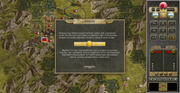
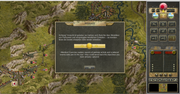
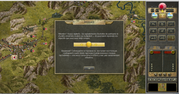
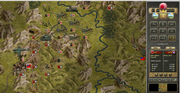
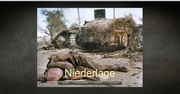
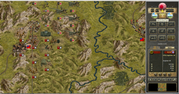
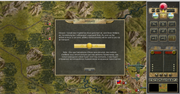
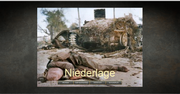
Toby, my friend, I think you really went overboard with the number of Chinese troops, especially since many of them are veterans! As usual, I’m posting screenshots and a replay that you absolutely have to watch!!! Either you need to add more moves, or give prestige points for each completed mission!!! Enemies were popping up out of nowhere sometimes, which I think is way over the top!!!
I think I'll add some cheats to my playthrough, since my nerves might not be able to handle another run through those hordes of Chinese enemies )))
- Attachments
-
- (15.06.2026) Operation Tengu, Turn 42.rar
- (264.57 KiB) Downloaded 48 times
https://mynickname.com/id73473
Re: YAMATO Campaign for Phcas & AKRebels "PAK" mod
Hi Bond,
Okay, I understand. I won this mission in 38 turns, though that was probably because I designed it myself. It’s no problem if the player uses cheats to get extra turns or prestige. I played every mission multiple times and enjoyed them. I didn’t spawn any extra units, either; they are all positioned either at the map edge or out in the open and set to "Standby" (default). I did mention that some missions might be a bit tricky, as I assumed some players would show up with a "hero army" carried over from previous campaigns. Also, feel free to give yourself plenty of prestige and extra turns—that’s not an issue.
Okay, I understand. I won this mission in 38 turns, though that was probably because I designed it myself. It’s no problem if the player uses cheats to get extra turns or prestige. I played every mission multiple times and enjoyed them. I didn’t spawn any extra units, either; they are all positioned either at the map edge or out in the open and set to "Standby" (default). I did mention that some missions might be a bit tricky, as I assumed some players would show up with a "hero army" carried over from previous campaigns. Also, feel free to give yourself plenty of prestige and extra turns—that’s not an issue.
Re: YAMATO Campaign for Phcas & AKRebels "PAK" mod
Here is my replay of Tengu, in case anyone wants to watch it.
- Tengu.zip
- (378.32 KiB) Downloaded 64 times
-
bondjamesbond
- Lieutenant-General - Nashorn
- Posts: 3255
- Joined: Mon Jun 27, 2022 10:10 pm
Re: YAMATO Campaign for Phcas & AKRebels "PAK" mod
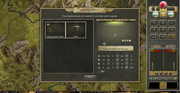
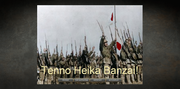
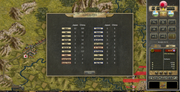
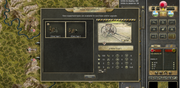
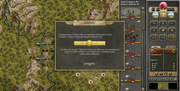
Well, I'm not as good as you, my friend, so I gave myself a few more turns and took out a bunch more partisans and their supply depots, and even then I still couldn't wipe them all out ))) In terms of numbers, they could easily outnumber the Soviet partisans ))) Now we're in for some flying action )Tobi72 wrote: Mon Jun 15, 2026 4:41 am Here is my replay of Tengu, in case anyone wants to watch it.Tengu.zip
- Attachments
-
- (15.06.2026) Operation Tengu, Turn 52.rar
- (268.32 KiB) Downloaded 64 times
https://mynickname.com/id73473
-
bondjamesbond
- Lieutenant-General - Nashorn
- Posts: 3255
- Joined: Mon Jun 27, 2022 10:10 pm
Re: YAMATO Campaign for Phcas & AKRebels "PAK" mod
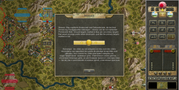
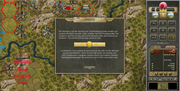
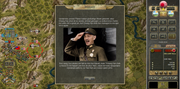
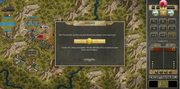
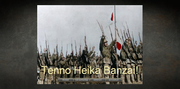
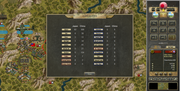
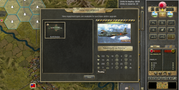
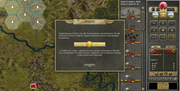
I really liked that mission where you bomb Chinese buildings and facilities ) If you figure out the enemy air defense tactics and adapt, your losses in the Japanese air force won't be so bad! I also liked the photo of a happy Chang Kangshi. It’s a shame his plane wasn’t there—otherwise we could have hunted him down from the air—but Chinese partisans are waiting for us again on the next map. And as I suspect, they’ll be hiding behind practically every bush or hill.
Translated with DeepL.com (free version)
Translated with DeepL.com (free version)
- Attachments
-
- (15.06.2026) Operation 102, Turn 19.rar
- (244.47 KiB) Downloaded 46 times
https://mynickname.com/id73473
Re: YAMATO Campaign for Phcas & AKRebels "PAK" mod
Very good—I edited the image using AI; in the original, he looks deadly serious. He is laughing at the Japanese because he managed to escape at the last minute. In the next mission, you’ll have to take down the partisan stronghold, but it’s not as bad as you think.
Well, okay—it's not *that* serious, though. 
- df.jpg (7.69 KiB) Viewed 2318 times
Re: YAMATO Campaign for Phcas & AKRebels "PAK" mod
So how do you get this campaign and for that matter Phcas & AKRebels "PAK" mod to run on a steam version of PzC 1? Also, where is the Phcas & AKRebels "PAK" mod on here? Any help for a fledging field commander will be appreciated.
-
bondjamesbond
- Lieutenant-General - Nashorn
- Posts: 3255
- Joined: Mon Jun 27, 2022 10:10 pm
Re: YAMATO Campaign for Phcas & AKRebels "PAK" mod
Tobi72 wrote: Mon Jun 15, 2026 2:07 pm Very good—I edited the image using AI; in the original, he looks deadly serious. He is laughing at the Japanese because he managed to escape at the last minute. In the next mission, you’ll have to take down the partisan stronghold, but it’s not as bad as you think.
df.jpg
Well, okay—it's not *that* serious, though.
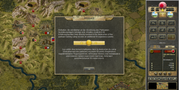
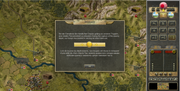
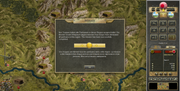
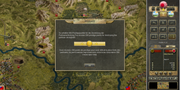
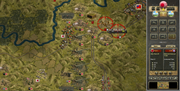
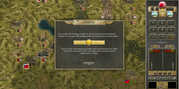
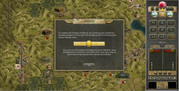
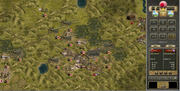
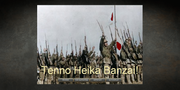
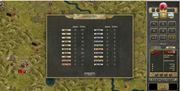
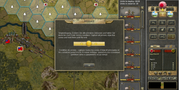
Just as I expected, there were a lot of partisans! But there were even more pillboxes and bunkers. It was a bloody, brutal battle, but we pulled through. As always, you can find more details in the replay and screenshots. To be continued—it looks like we’ll have to attack first and then defend. And yeah, the bonuses are awesome!
- Attachments
-
- (15.06.2026) Übergang über den Xinqiang, Turn 31.rar
- (253.71 KiB) Downloaded 60 times
Last edited by bondjamesbond on Mon Jun 15, 2026 11:46 pm, edited 1 time in total.
https://mynickname.com/id73473
Re: YAMATO Campaign for Phcas & AKRebels "PAK" mod
------------------------------------------------------------------------------------------------------------------------------srb644 wrote: Mon Jun 15, 2026 4:18 pm So how do you get this campaign and for that matter Phcas & AKRebels "PAK" mod to run on a steam version of PzC 1? Also, where is the Phcas & AKRebels "PAK" mod on here? Any help for a fledging field commander will be appreciated.
Hello,
as far as I know, the Phcas & AKRebels PAK-Mod is not available through the Steam Workshop. It has to be downloaded from the PAK-Mod thread on the Slitherine forum.
I do not use the Steam version of Panzer Corps 1 myself.
My Yamato campaigns were created for the Phcas & AKRebels PAK-Mod, so the PAK-Mod must be installed and activated first. Without it, the campaigns will not work.
The PAK-Mod thread on the Slitherine forum should be the right place to find the latest download and installation instructions.
New Projekt: Phcas & AKRebels "PAK"-Mod - RELEASE v3.40:
viewtopic.php?t=92787
Re: YAMATO Campaign for Phcas & AKRebels "PAK" mod
Great—yes, I’ve incorporated a few elements to prevent the player’s units from being gradually worn down: prestige points, higher strength, experience, captured weapons, and so on. I’ll take a look at the replay in a moment.
Re: YAMATO Campaign for Phcas & AKRebels "PAK" mod
Holy crap! Absolutely amazing! Thank you so much. Lots to play here. Are the other mods made from PAK-Mod listed in this rather long thread or elsewhere? Again, this is amazing and thank you.Tobi72 wrote: Mon Jun 15, 2026 5:47 pm------------------------------------------------------------------------------------------------------------------------------srb644 wrote: Mon Jun 15, 2026 4:18 pm So how do you get this campaign and for that matter Phcas & AKRebels "PAK" mod to run on a steam version of PzC 1? Also, where is the Phcas & AKRebels "PAK" mod on here? Any help for a fledging field commander will be appreciated.
Hello,
as far as I know, the Phcas & AKRebels PAK-Mod is not available through the Steam Workshop. It has to be downloaded from the PAK-Mod thread on the Slitherine forum.
I do not use the Steam version of Panzer Corps 1 myself.
My Yamato campaigns were created for the Phcas & AKRebels PAK-Mod, so the PAK-Mod must be installed and activated first. Without it, the campaigns will not work.
The PAK-Mod thread on the Slitherine forum should be the right place to find the latest download and installation instructions.
New Projekt: Phcas & AKRebels "PAK"-Mod - RELEASE v3.40:
viewtopic.php?t=92787
Re: YAMATO Campaign for Phcas & AKRebels "PAK" mod
---------------------------------------------------------------------------------------------------------------------------srb644 wrote: Mon Jun 15, 2026 7:32 pmHoly crap! Absolutely amazing! Thank you so much. Lots to play here. Are the other mods made from PAK-Mod listed in this rather long thread or elsewhere? Again, this is amazing and thank you.Tobi72 wrote: Mon Jun 15, 2026 5:47 pm------------------------------------------------------------------------------------------------------------------------------srb644 wrote: Mon Jun 15, 2026 4:18 pm So how do you get this campaign and for that matter Phcas & AKRebels "PAK" mod to run on a steam version of PzC 1? Also, where is the Phcas & AKRebels "PAK" mod on here? Any help for a fledging field commander will be appreciated.
Hello,
as far as I know, the Phcas & AKRebels PAK-Mod is not available through the Steam Workshop. It has to be downloaded from the PAK-Mod thread on the Slitherine forum.
I do not use the Steam version of Panzer Corps 1 myself.
My Yamato campaigns were created for the Phcas & AKRebels PAK-Mod, so the PAK-Mod must be installed and activated first. Without it, the campaigns will not work.
The PAK-Mod thread on the Slitherine forum should be the right place to find the latest download and installation instructions.
New Projekt: Phcas & AKRebels "PAK"-Mod - RELEASE v3.40:
viewtopic.php?t=92787
Here are a few more campaigns of mine, designed for Pak-Mod.
viewtopic.php?t=116729
Where have you been for the last few years?
Re: YAMATO Campaign for Phcas & AKRebels "PAK" mod
Lost in the woods, I guess. Haven't played for a while then exhausted everything nikivdd is/was doing.Again thanks. Will definitely do your campaigns once I run thru everything I just got up and running. 
Re: YAMATO Campaign for Phcas & AKRebels "PAK" mod
I was referring more to the Pak mod than to my own content; the mod has been around since 2018 or 2019 and includes everything needed for World War II.srb644 wrote: Mon Jun 15, 2026 11:29 pm Lost in the woods, I guess. Haven't played for a while then exhausted everything nikivdd is/was doing.Again thanks. Will definitely do your campaigns once I run thru everything I just got up and running.

Re: YAMATO Campaign for Phcas & AKRebels "PAK" mod
Hurrah, it is done! My first custom campaign for Panzer Corps 2 is finally running.
I have to be honest: getting there was not easy. The structure for custom campaigns in PC2 is much more complicated than I expected, and at times I was really close to giving up. That makes me even happier now that it finally works.
When I find some time now and then, I will continue working on a small Pacific campaign.
viewtopic.php?p=1075446#p1075446
I have to be honest: getting there was not easy. The structure for custom campaigns in PC2 is much more complicated than I expected, and at times I was really close to giving up. That makes me even happier now that it finally works.
When I find some time now and then, I will continue working on a small Pacific campaign.
- Hurra.png (992.23 KiB) Viewed 2190 times
-
bondjamesbond
- Lieutenant-General - Nashorn
- Posts: 3255
- Joined: Mon Jun 27, 2022 10:10 pm
Re: YAMATO Campaign for Phcas & AKRebels "PAK" mod
Tobi72 wrote: Tue Jun 16, 2026 6:40 am Hurrah, it is done! My first custom campaign for Panzer Corps 2 is finally running.
I have to be honest: getting there was not easy. The structure for custom campaigns in PC2 is much more complicated than I expected, and at times I was really close to giving up. That makes me even happier now that it finally works.
When I find some time now and then, I will continue working on a small Pacific campaign.Hurra.png
viewtopic.php?p=1075446#p1075446
Come back, heretic )

https://mynickname.com/id73473
Re: YAMATO Campaign for Phcas & AKRebels "PAK" mod
bondjamesbond wrote: Tue Jun 16, 2026 8:00 amTobi72 wrote: Tue Jun 16, 2026 6:40 am Hurrah, it is done! My first custom campaign for Panzer Corps 2 is finally running.
I have to be honest: getting there was not easy. The structure for custom campaigns in PC2 is much more complicated than I expected, and at times I was really close to giving up. That makes me even happier now that it finally works.
When I find some time now and then, I will continue working on a small Pacific campaign.Hurra.png
viewtopic.php?p=1075446#p1075446
Come back, heretic )

It was frustrating for me to spend so much money on a game and then not be able to make full use of it—including creating my own content. That’s why I spent a long time trying, over and over again, to at least understand the editor.I would have expected at least a downloadable, detailed manual for the editor. After all, I’m surely not the only one who wants to create their own scenarios and/or campaigns... I imagine.
Last edited by Tobi72 on Mon Jul 13, 2026 8:10 am, edited 1 time in total.