Weather Condition's & Terrain are determining factor's in the Cohesion and Battle-Worthy Effectiveness of an Army:
***The Season's & Geographical Terrain have direct bearing on the Sustainability/Viability and Effectiveness of an Army!. Don't take for granted...as in the Case...of Hannibal, the devastating effect's of Winter or of the difficult to navigate hazardous Mountain Terrain.***
https://www.historyextra.com/period/rom ... beat-rome/
http://www.historyrevealed.com/qa/how-m ... -over-alps
The year was 218 BC, and Rome was locked in a bitter conflict with its rival, the Mediterranean superpower of Carthage.
Although Hannibal (29 Year's of Age) did successfully negotiate the Alpine passes, his losses were considerable. Over half his army died in the severe, cold conditions, Hannibal himself was blinded in one eye, and it is recorded that only one of his elephants survived the trek.
(PICTURE:) Map of Hannibal's Trek across the Alp's:
 Journey to cross the Alps to Attack Rome.
How Hannibal beat the Alps but couldn’t beat Rome
https://www.historyextra.com/period/rom ... beat-rome/
Some Back-Ground & History behind the Alp's crossing!:
Journey to cross the Alps to Attack Rome.
How Hannibal beat the Alps but couldn’t beat Rome
https://www.historyextra.com/period/rom ... beat-rome/
Some Back-Ground & History behind the Alp's crossing!:
In the 20 years preceding the war, Carthage had been slowly making up for the losses it suffered in the First Punic War by campaigning in Spain. And it was from Spain that Rome’s greatest opponent emerged: the young Hannibal crossed the river Ebro in June 218 BC with 40,000 troops and 37 elephants.
The Alps towered in his way, but Hannibal turned east and took them on, probably crossing Mont Cenis (arguably by the Savine Coche pass, around 7,500 feet high) in late October.
When he came down into the plains above Turin he had only 20,000 infantry and 6,000 cavalry (Appoximately half of his Army remained); none of the elephants had yet died.
He followed it up in late December with a crushing victory over a Roman army at the river Trebbia (near Piacenza).
By then he had also lost almost all his elephants: only seven survived the cold winter and Hannibal, the most famous “elephant-general”, never used them again in battle (?).
Although his army was already halved, he still won a first skirmish against Roman troops by the river Po.
A key to his success here was the doubling of his army with recruits from the anti-Roman Gauls in north Italy. They had at first hesitated to join him, but they were encouraged by his initial success and his terror tactics (IE: Pillaging their village's, burning the village's to the ground...and finally selling off the Captives into slaverly) towards those who had refused to join him in his crusade against the Roman's!.
In August 216 BC Hannibal won his supreme victory at "Cannae" in south-east Italy by pitting what were now some 50,000 of his troops against a Roman army which was probably about 87,000 strong.
***I am quite sure that this situation is a classic example of a 'Flank & Rear-Attack' "Ambush!"...that in this instance resulted in around 18 to 20 Legion's being destroyed!***
From now on, Roman control of the sea proved crucial and so from 214 BC onwards the Roman fleet held enough of the Italian coast to block any more foreign support from reaching their enemies. Italy & Spain were Blockaded by Roman Fleet's to prevent reinforcement for the Carthaginian's. By land, meanwhile, Fabius Maximus insisted on a strategy of devastating the crops and avoiding battles on Hannibal’s terms. The Carthaginians began to be bottled up.
In summer 207 BC one of Hannibal’s brothers did at last manage to bring reinforcements (and fresh elephants) into Italy from Spain. However, his dispatches were intercepted and he was defeated by a swift Roman counter-action up the east coast of Italy. It was the Carthaginians’ last chance and without more reinforcements Hannibal became only a long-running sore on Italy’s toe.
He had assembled 80 African elephants, but they ended up stampeding the Carthaginian's instead, doing more harm to their own side than to Rome’s.
Not until six years later after Hannibal returned to A frica...was he driven out of Carthage, this time by his Carthaginian enemies at Zama in Africa in 202 B.C.



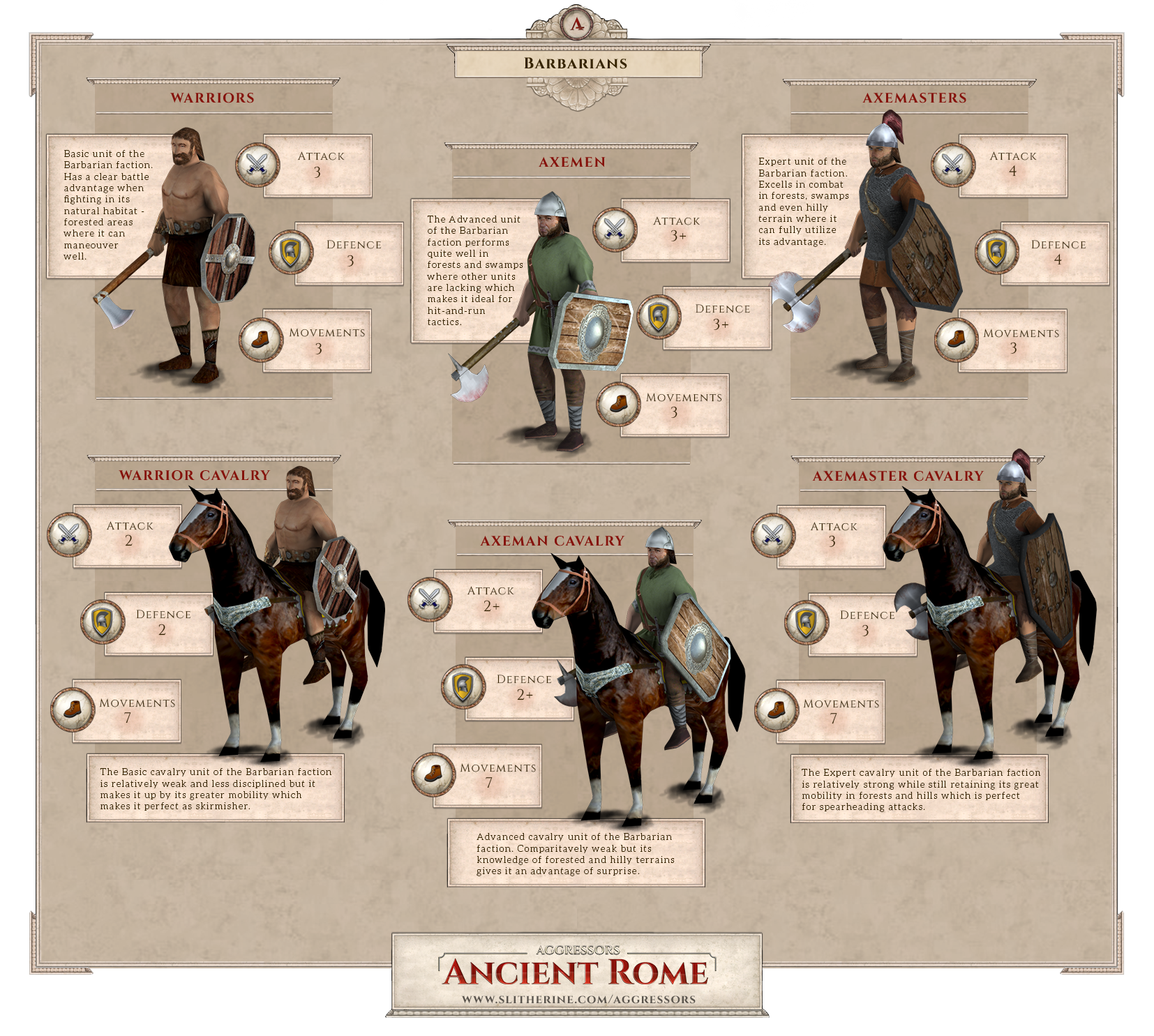




 (There are absolutely more archives haha) I think they even are not really sure how to call it: