Page 1 of 1
applying pvc glue to bases
Posted: Thu Dec 17, 2009 3:07 am
by Eques
hi
having my first go at basing. could anyone advise the best way to apply the pvc glue? i'm finding the various domestic implements i'm using either too large and clumsy or too small and thin.
seen photos of a paintbrush being used but surely that would use up too many brushes!
Posted: Thu Dec 17, 2009 3:56 am
by Skullzgrinda
Thin the glue with about the same volume of water. When it is more fluid, but still viscous, spread with an old, larger paint brush.
This is an easy technique and offers a lot of control. Just wash the glue out of the brush with water before it sets.
The consistency of the water and glue mix will affect different flocking materials in different ways, but 50/50 is a good starting point.
Re: applying pvc glue to bases
Posted: Thu Dec 17, 2009 12:01 pm
by madaxeman
Eques wrote:hi
having my first go at basing. could anyone advise the best way to apply the pvc glue? i'm finding the various domestic implements i'm using either too large and clumsy or too small and thin.
seen photos of a paintbrush being used but surely that would use up too many brushes!
Hot/warm water will wash out even neat PVA glue pretty easily, and if you start by using your "too knackered to use for painting" brushes as well its even less risky.
I tend to see an evolution of my brushes from painting-> drybrushing figures -> drybrusing bases -> PVA glue application !
Posted: Thu Dec 17, 2009 1:45 pm
by madcam2us
Why are you putting glue on the base? Flocking?
I find if you use ballast/sand for your flocking something that really helps is after you put your 1st application of glue/sand, is to wait for it to dry, gently tap off the excess and then re-apply a layer of glue.
This final step seals the base and it will dry clear. I know some that use paint for this step, but I use a brown ballast from Scenic Effects which doesn't need to be colored further. Once this is dry I then put some pure glue down for the static grass.
Quick and looks much better than pure green flock IMO.
Madcam.
Posted: Thu Dec 17, 2009 1:49 pm
by philqw78
madaxeman wrote:I tend to see an evolution of my brushes from painting-> drybrushing figures -> drybrusing bases -> PVA glue application !
Is this like your evolution of gaming Tim? European Champion-> 2nd Britcon-> 8th Roll Call-> 18th warfare

Posted: Thu Dec 17, 2009 1:50 pm
by madcam2us
heres an example of the basing using some of my Napoleonics...


And some waiting for the application of the static grass...
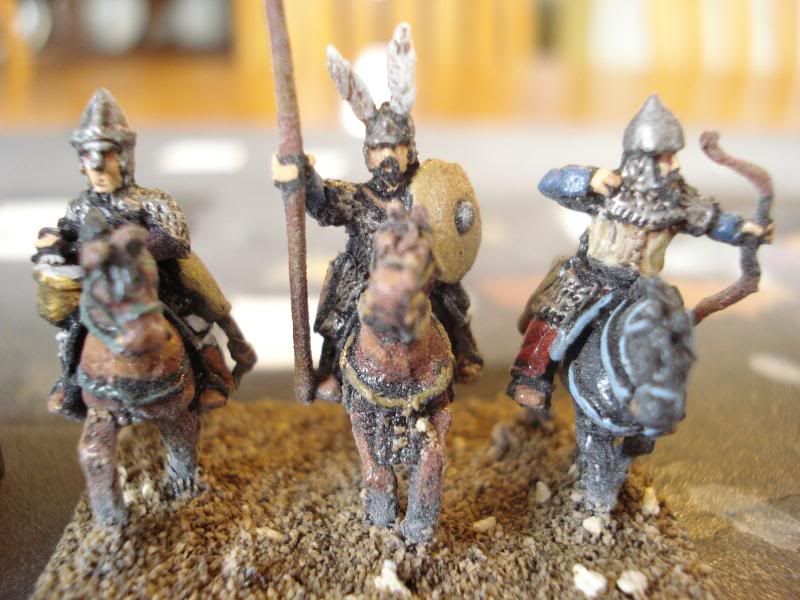
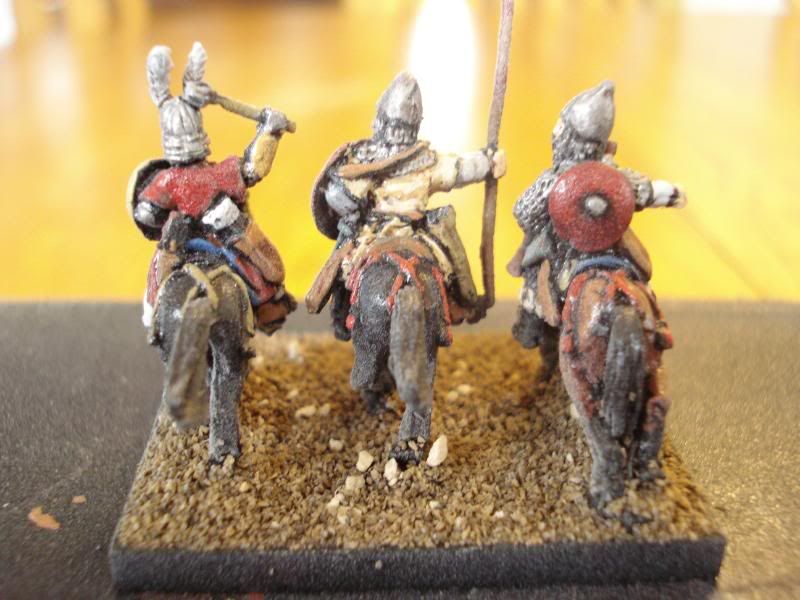
Hope this helps...
Madcam.
Posted: Thu Dec 17, 2009 2:52 pm
by Eques
thanks for the helpful replies. yes it is for the flocking.
Posted: Thu Dec 17, 2009 3:48 pm
by madaxeman
philqw78 wrote:madaxeman wrote:I tend to see an evolution of my brushes from painting-> drybrushing figures -> drybrusing bases -> PVA glue application !
Is this like your evolution of gaming Tim? European Champion-> 2nd Britcon-> 8th Roll Call-> 18th warfare
Aaah - I wondered when my internet fame would earn me a stalker ....
Posted: Thu Dec 17, 2009 3:56 pm
by philqw78
madaxeman wrote:
Aaah - I wondered when my internet fame would earn me a stalker ....
Be afraid, be very afraid.
But anyway your not my type, all that heavy, hairy infantry. I much prefer riding boots and jodhpurs.
Posted: Thu Dec 17, 2009 7:14 pm
by pease1
I think you mean PVA glue, i.e. regular white 'Elmers brand here in the USA' glue.
I spread it right out of the bottle onto the stand using an artist's pallet knife, like the one in this photo
You can get them at any good art supply or craft store in the oil paints isle. Great for many wargaming uses.

Posted: Sun Dec 27, 2009 8:35 am
by bertalucci
I use the pva neat out of woodwork glue bottle - it has a nozzle so can be controlled and is cheaper than craft pva.
Push it around the base with anything thin, flat and made of metal or plastic - I use a set of modelling tools (£2 in dodgy/cheap hardware store)
Sprinkle track ballast (take your pick of colour, loads available) then dip in flock (wide variety of colours and types available, I tend to mix a few different types together)
Leave to dry - Optional extra - add bushes etc if you have space on the base.
Posted: Sun Dec 27, 2009 11:45 pm
by hazelbark
I think Madcam has a good process.
I find less than 50% water with white glue. Then I just brush it on with a brush that is ready to be retired.
I have experimented with Liqutex acryllic. It is neat, but messy and cumbersome. I apply that with a tooth pick.
Posted: Thu Feb 11, 2010 4:01 am
by Legionbuilder
I really like the Liqutex acrilyic
It adds some depth to the base and creats a nice effect
I mix burnt umber or raw umber paint right in the bottle/tube of Liqutex
I also have some lighter stuff to use for desert
If you use the stucco version or the sand version of Liqutex - I think it turns out quite nice
I then use regular paint to put my flock on with - I get the in-expensive clearance stuff from Hobby Lobby in browns and greens
I do not like to fight the glue
Posted: Thu Feb 11, 2010 4:35 pm
by Skullzgrinda
Legionbuilder wrote:I really like the Liqutex acrilyic
It adds some depth to the base and creats a nice effect
I mix burnt umber or raw umber paint right in the bottle/tube of Liqutex
I also have some lighter stuff to use for desert
If you use the stucco version or the sand version of Liqutex - I think it turns out quite nice
I then use regular paint to put my flock on with - I get the in-expensive clearance stuff from Hobby Lobby in browns and greens
I do not like to fight the glue
The problem with this to me is that the acrylic used for basing will not go solvent again, and the glue can be soaked off.
For some reason, I find that I must rebase far too often - of course, any rebasing is too often.
I have started to use wet coffee grounds in diluted white glue to get the depth and texture you mention though. The flat glue only surface was not very attractive.
Posted: Sat Feb 27, 2010 7:40 am
by Jilu
I mix the glue with paint and water and apply to the base.
then i dip the base in my "terrain mix".
The terrain mix consists of a base or very cheap tea (usualy little grains), saw dust or grinded cork, grass (green and yellow) and little stones. i can easely addapt the proportion of each to change the color and get the desired effect. i tap of the excess off.
I let it dry and then spray varnish it.
Posted: Sun Feb 28, 2010 9:13 am
by bertalucci
Currently I do half (ish) of the base with railway ballast (lots of variety of colours) and the rest of the base in a very mixed bag of flock, grass, dinky green bushes etc. I like random!